|
 Armenian, Assyrian and Hellenic Genocide News
Editorial: Nemesis and Unger Soghomon Tehlirian
Posted: Wednesday, April 11, 2001 03:48 PM CST
|
|
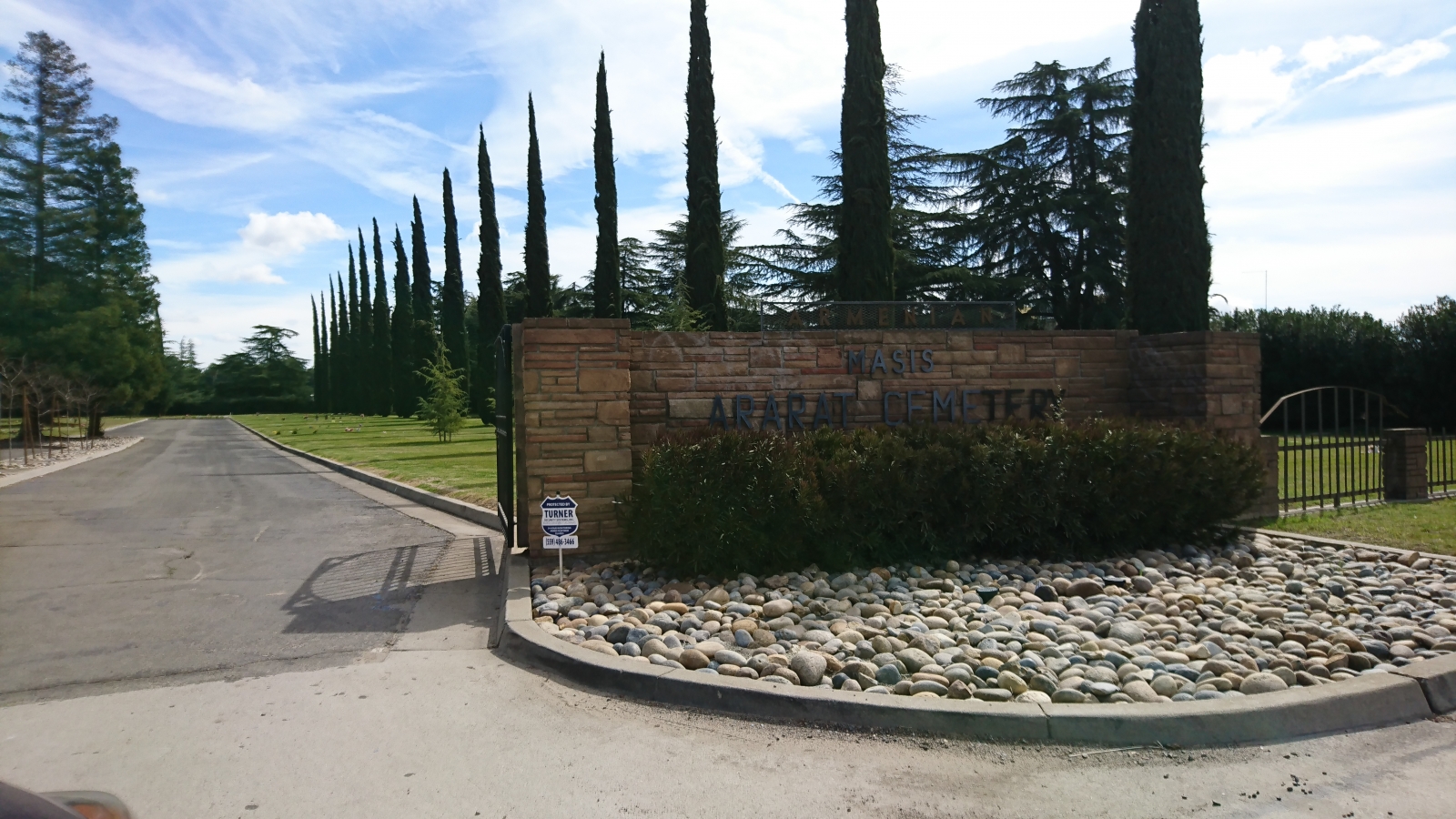
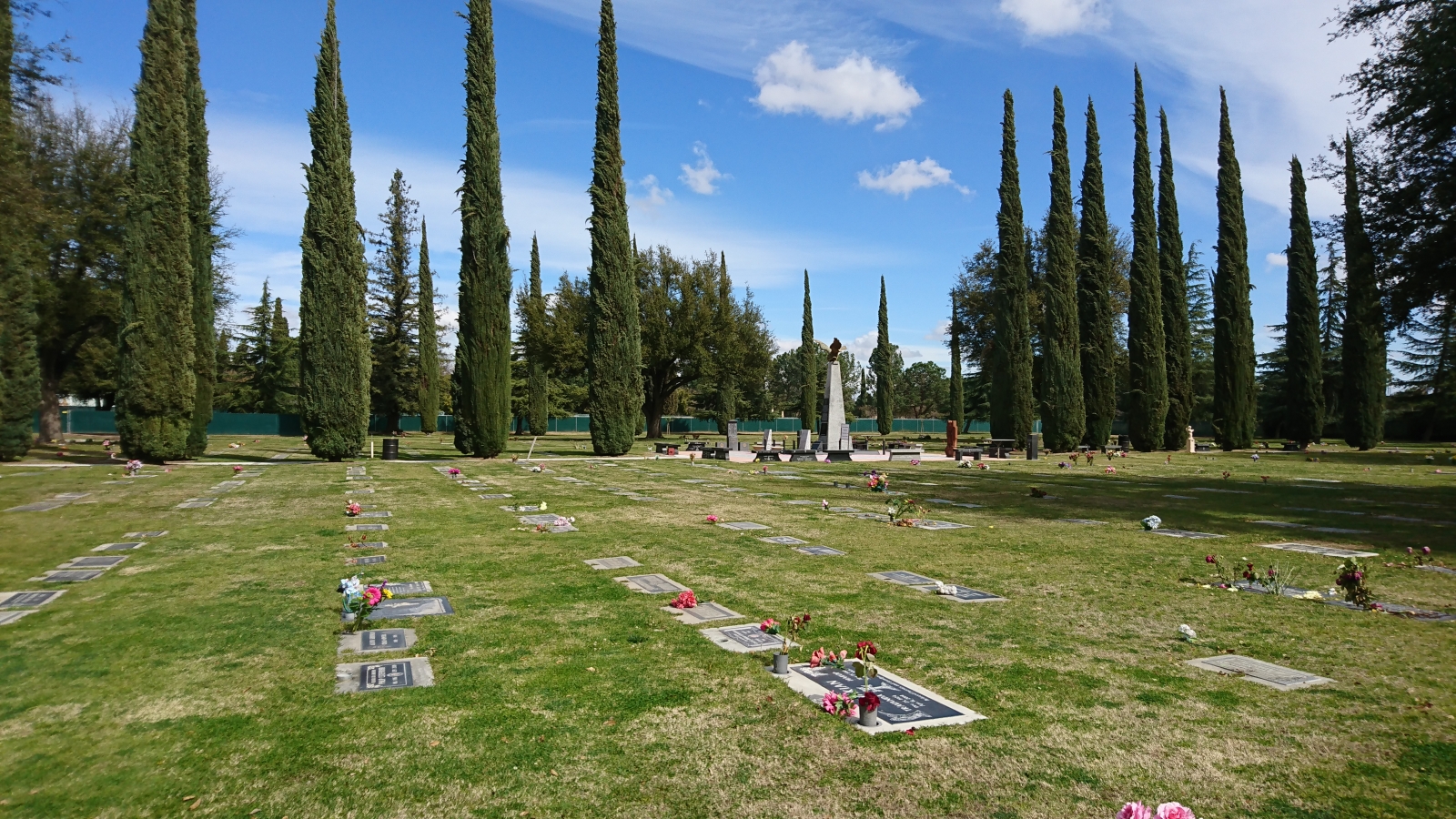
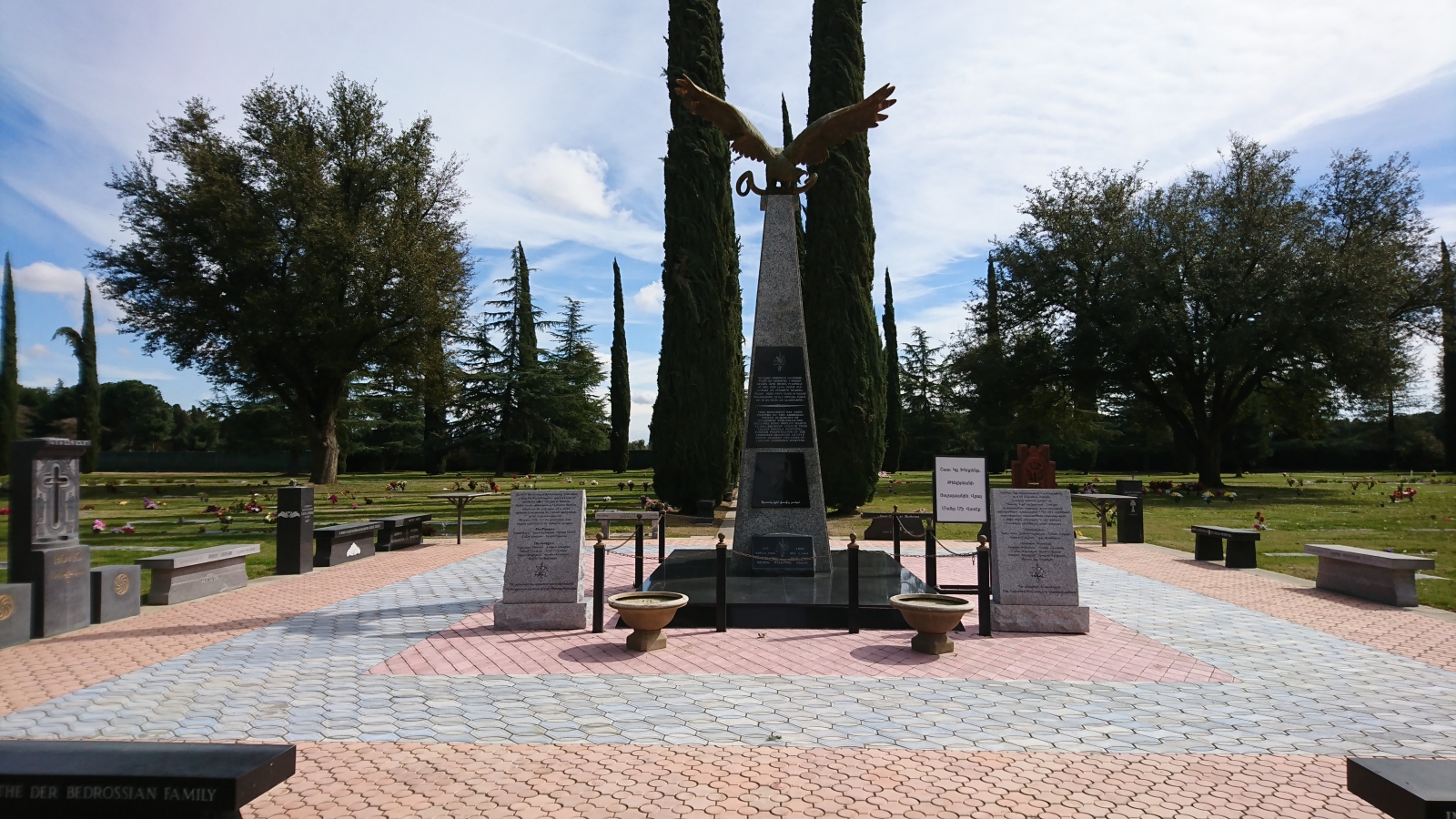
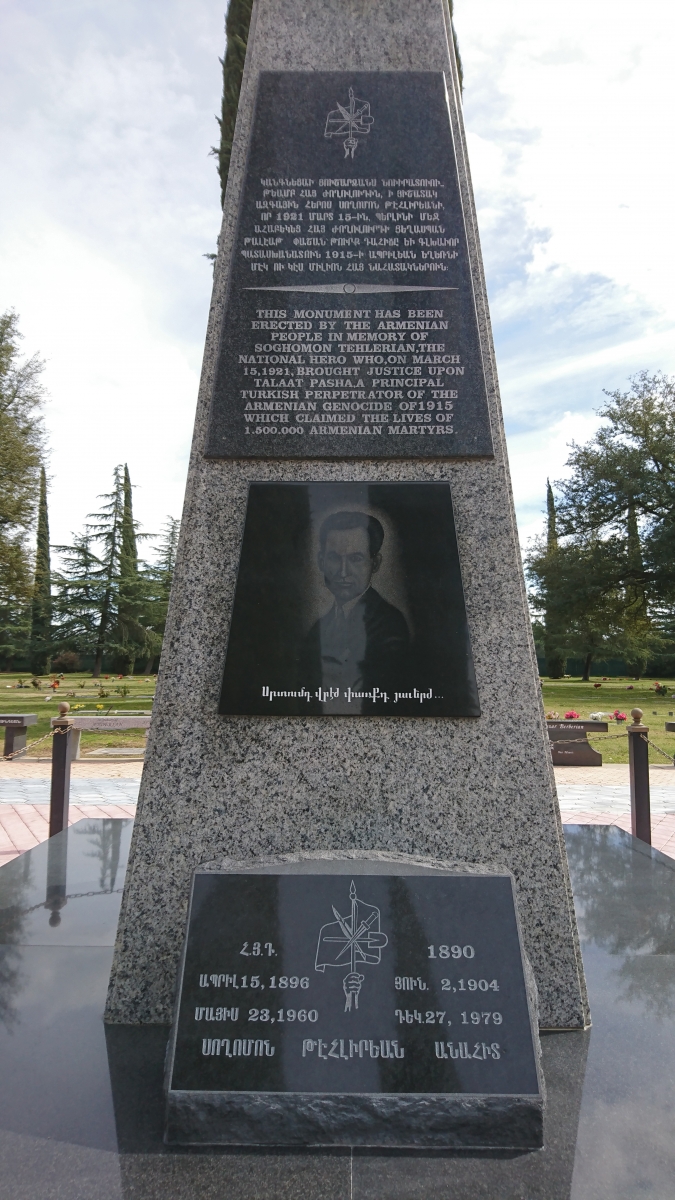
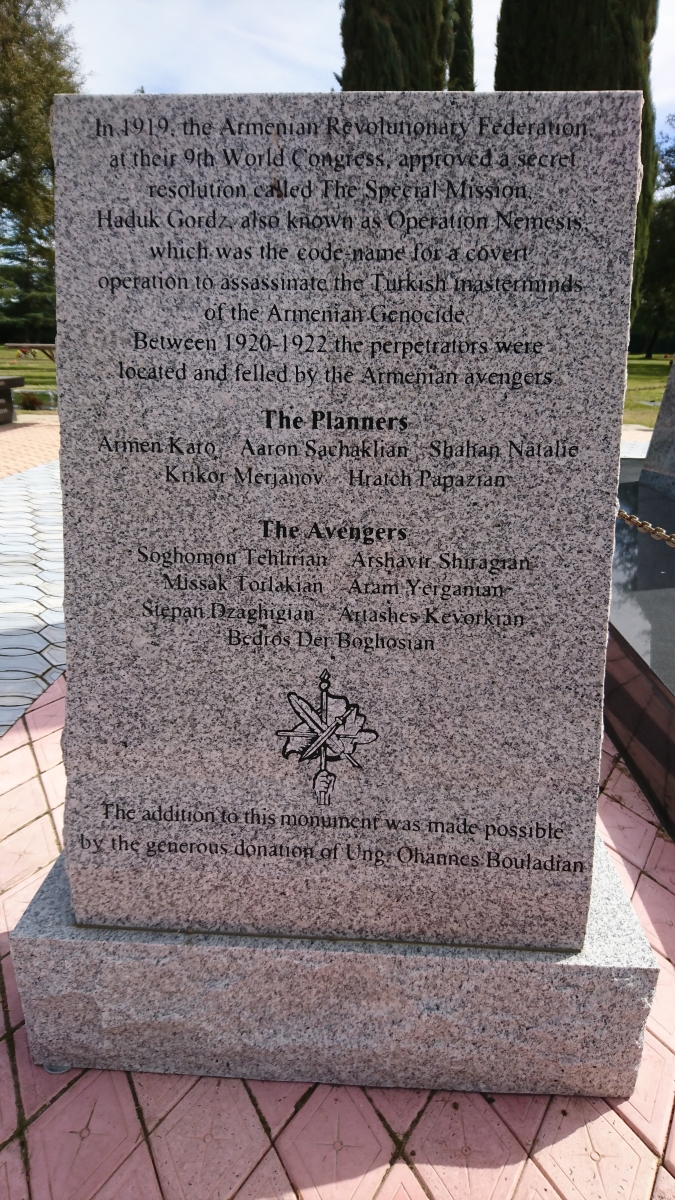
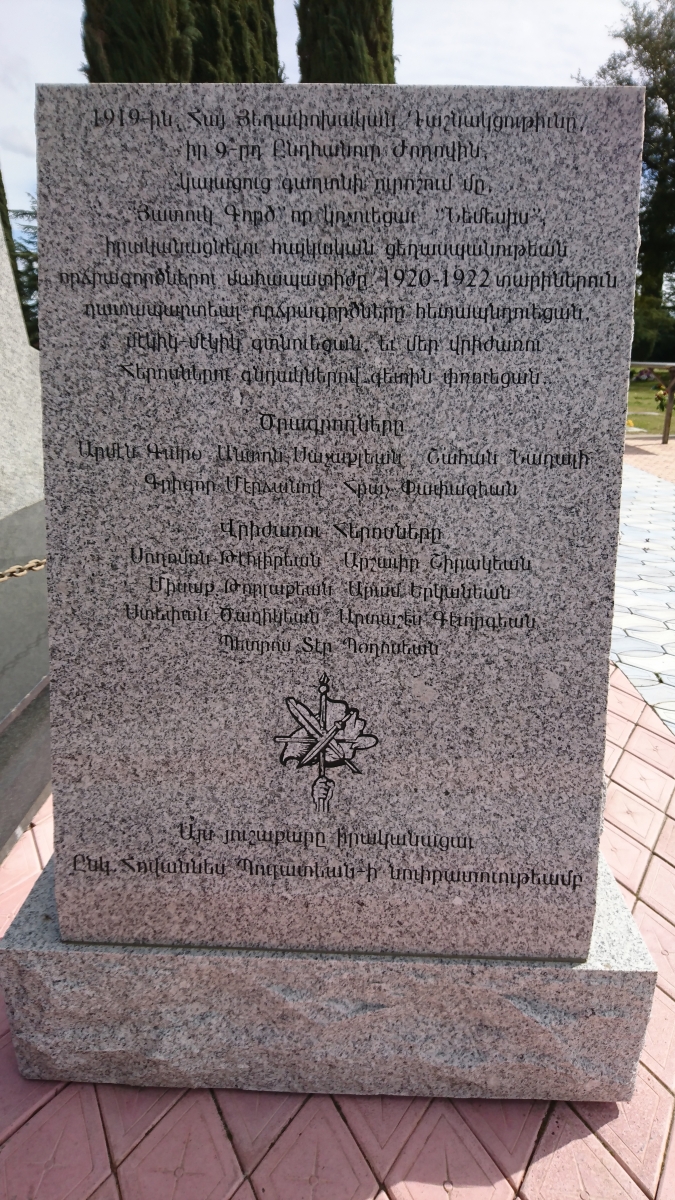
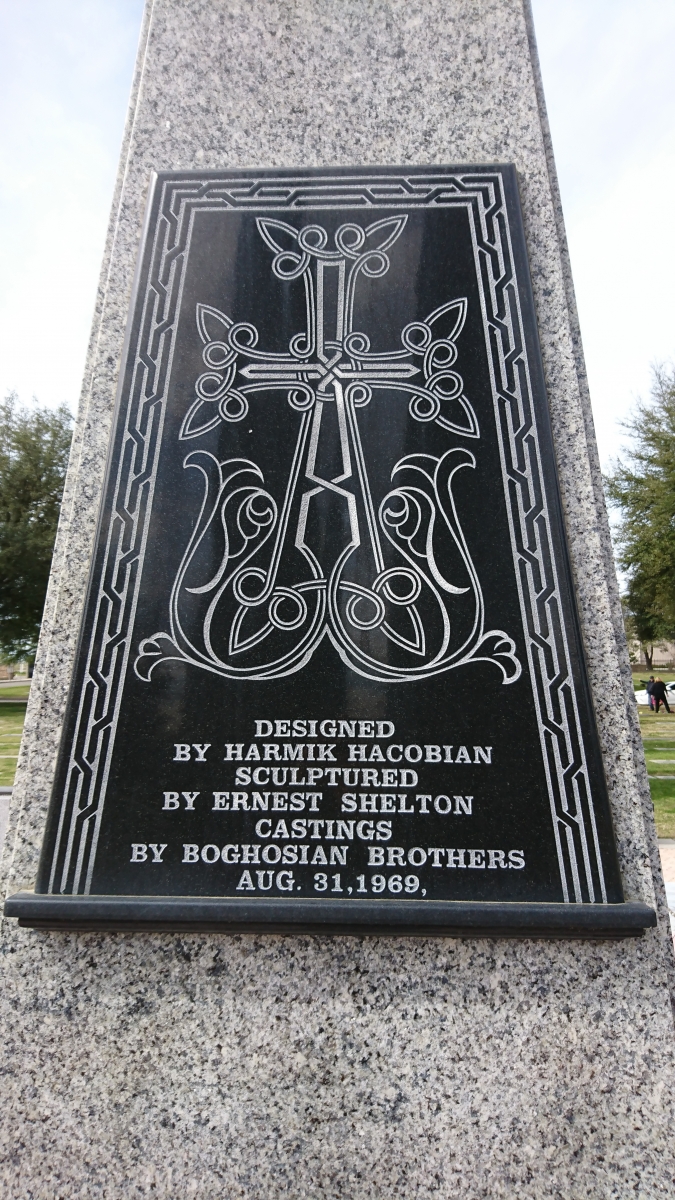
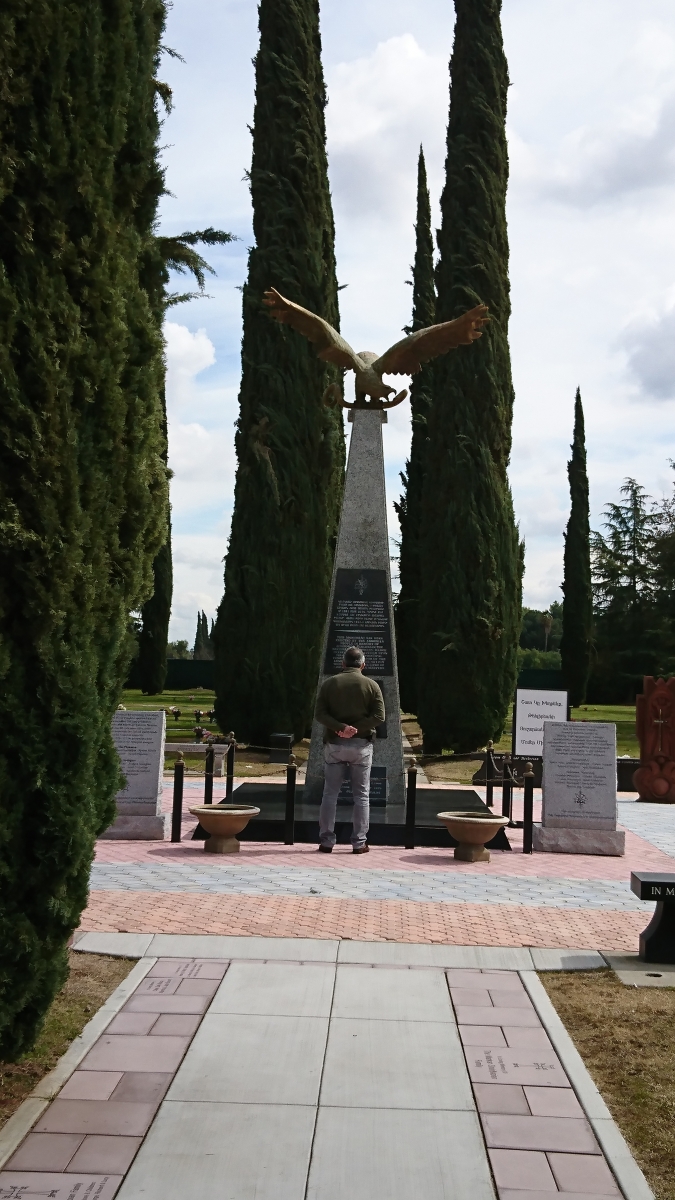
| Masis Ararat Armenian Cemetery in Fresno, California USA - Soghomon Tehlerian monument - Operation Nemesis. Photographs: AIM |
The Armenian Weekly On-Line: AWOL
80 Bigelow Avenue
Watertown MA 02472 USA
(617) 926-3974
ArmenianWeekly@mediaone.net
https://www.hairenik.org
* * *
In yet another remarkable display of the unity of the Armenian nation--despite its forced dispersion as a result of the Armenian Genocide--the Armenian Veteran's Association in Yerevan commemorated the 80th anniversary of the assassination of Talaat Pasha by Soghomon Tehlirian on March 15.
The story of Soghomon Tehlirian was documented in a number of books, including Resistance and Revenge: The Armenian Assassination of the Turkish Leaders Responsible for the 1915 Massacres and Deportations, by Jacques Derogy; The Case of Soghomon Tehlirian, translated by Vartkes Yeghiayan; A Crime of Vengeance: An Armenian Struggle for Justice, by Edward Alexander; The Cross and the Crescent, by Lindy V. Avakian; and the film "Assignment Berlin," recently re-released by MGM-Orion.
Talaat Pasha was the Minister of Interior under the Young Turk regime of Ottoman Turkey, and he was one of the leading figures in organizing the premeditated, systematic extermination of more than 1.5 million Armenians in 1915. After World War I, the Military Tribunal in Constantinople held the Young Turks individually accountable for war crimes. It found Talaat and the other leaders of Ottoman Turkey guilty of "crimes against humanity" and sentenced them to death. Talaat fled to Germany with Enver Pasha and other Young Turk leaders to escape prosecution in 1918.
As part of the ARF's "Operation Nemesis," Armenians found many of the escaped criminals in Europe and Central Asia and served the cause of justice, since the courts had failed to do so. On March 15, 1921, Soghomon Tehlirian assassinated Talaat in Berlin as an act of vengeance for the murder of his family and nation. During Tehlirian's trial in Germany, he was acquitted by the courts because of the overwhelming evidence provided about the Armenian Genocide. Since Turkey was an ally of Germany in both world wars, in 1943 the Nazis returned Talaat's remains to Turkey, where he was buried with great ceremony.
During the recent ceremony in Yerevan, the Armenian Veteran's Association's Political Secretary provided a detailed description of Tehlirian's heroism, and the Veteran's Association President said that all crimes committed against the Armenian nation must be punished, regardless of when they occurred.
In his recent book, Stay the Hand of Vengeance: The Politics of War Crimes Tribunals, Princeton University Professor Gary Bass has compared the failure of the Military Tribunal in Constantinople to prosecute the Ottoman Turkish leaders to the present-day International War Crimes Tribunals. Bass warns that a failure to prosecute war criminals such as the Serbian leader Slobodan Milosevic, as Nazis were prosecuted in the Nuremberg War Crimes Trials, may lead to a result similar to that of the failed Military Tribunal in Constantinople--continuing conflict and acts of vengeance. Bass called the Military Tribunal in Constantinople "the Nuremberg that failed."
Honoring the legacy of Soghomon Tehlirian is evidence once again that the Armenian Genocide is a pan-Armenian issue; it has been memorialized in Armenia and the Diaspora, just as the national symbols (including the Armenian flag and national anthem) and heroes such as Tehlirian, Dro, and Nejdeh are celebrated. The Genocide is an unresolved crime, and it will continue to disrupt the region until it is adequately addressed. Just as Germany and other countries of Europe have reconciled with the Holocaust, and the US has addressed the injustice of slavery, so too must Turkey come to terms with the Genocide. Its failure to do so will continue to haunt its future.
British Admiral John de Robeck warned in 1919 that if punishment of the Young Turks was ignored, "it may safely be predicted that the question of retribution for the deportation and massacres will be an element of venomous trouble in the life of each of the countries concerned." In discussing the ongoing trials of Serbian war criminals, Bosnia's Ambassador to the United Nation, Muhamad Sacirbey, said, "I would condone the assassination--the delivery of justice--if there was no other alternative path to justice."
We are reminded of the warning issued to the European Ambassadors by the ARF over 100 years ago, just before the seizure of the Ottoman Bank in 1896: "The patience of crushed nations has limits, and that Armenian anger is about to explode." The founders of the ARF understood early on that the struggle against Turkish oppression was a struggle for existence that preceded national well-being. And so it is today that the unresolved crime of the Genocide is a burden that must be removed from the shoulders of the Armenian nation, if justice is to be served.
Related Information
Eric Bogosian's Operation Nemesis | Book review by Lucine Kasbarian
 Armenian, Assyrian and Hellenic Genocide News Archives