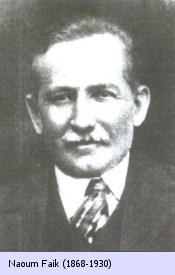
Naoum Faik (1868-1930)Posted: Monday, July 02, 2001 at 02:16 PM CT | Updated: April 14, 2026
Contents
Naoum Faik (1868-1930) Naoum Elias Yakob Balakh was born in February 1868 in the Assyrian town of Omid (Diyarbekir) in northern Bethnahrin, parts of it presently in Turkey. He added the title Faik to his name as this was a tradition in the Ottoman Empire to add titles because there were always many people carrying the same name. He attended the parish primary school. Then the secondary school of The Brotherhood Association of Ancient Syrians, he spent eight years there where he learned Syriac, Arabic, Turkish, and Persian in addition to the church liturgy and hymns. He planned to continue his studies in the Syrian University but his father passed away and was forced to seek employment to support himself. Soon after that his mother passed away too, he was left young and broken hearted. “A mere flower to the writer in his lifetime is far more rewarding than thousands of wreaths placed on his grave after death.” He started teaching in Omid (Diarbekir) in the year 1888. Later, was asked to move to the town of Hashas in Al-Bashiriya where he faced tremendous difficulties because everybody there spoke Kurdish. He was ordained Shamasha on October 16th., 1889 at the age of 21 and was an active member in his church. Naoum Faik travelled to Al-Raha (Urhai / Edessa), to teach there and while living in Urhai he studied the Assyrian treasures kept in our old churches there. He later moved to Hsanmansour (Adiyaman) to teach in the new school built for the 50 Assyrian families living in that region. Naoum Faik returned to Omid and taught again in its schools for another 4 years when he was asked by the Patriarch Moran Mar Ignatius Abdulmasih II, in 1896, to travel to Homs, Syria, to teach in its school. He stayed in Homs for a short time and moved to Beirut, Lebanon then to Yafa and Jerusalem where he spent six months in Mar Markus monastery studying its Syriac written treasures. Naoum Faik returned to Omid for the third time and got back to teaching. Then in 1904, he moved to Mardin, to Deyrul Zafaran monastery where he began studying all those Syriac texts, which were saved in the monastery’s depository. In 1908 he started "AL-Entibah" a religious association and in 1909 brought to life the well known magazine "Kukhwa d' Madinkha" (Star of the East), both very well known establishments to our people. One of the things Naoum Faik always preached of was the necessity of schools, printing presses, and magazines as tools for survival and building nationalistic understanding in the youth. With the increasing of oppression against his people in our homeland, he decided to immigrate to the USA, and so he did in 1912, with the help of his loyal friend Sanharib Bali, who wrote about him saying, "Before Naoum Faik many people came, but they all took from the Assyrian culture and translated it to other languages but he distinguished himself by translating from other languages to Assyrian, thus while others were exchanging our heritage he was adding to it." In the United States he started the journal of "Bethnahrin" in 1916, published in Syriac, Arabic and Turkish, which he dedicated to the Assyrian people. In 1921 he was asked to be the chief editor of the magazine "Huyada" published by the ChaldoAssyrian National Association, which he did until it stopped, then he returned to issue 'Bethnahrin' again until his last days.
Naoum Faik believed that the interest of the Assyrian nation should always be put ahead of personal interest. Yes, he was born poor, but because of his beliefs he lived poor and died poor, but what he left is a wealth that money can not buy. He left an awakening in the Assyrian nation, an awakening which is taking roots in us as people of one origin with distinct heritage and culture and the right to shape our own destiny. Malfono Naoum Faik, as we call him today, deserved that title, he is our beloved poet and founder of Assyrian renaissance. He passed away on February 5th, 1930, but forever will be in our hearts, an Assyrian legend. Naoum Faik's Work, Research and Publications
The Naoum Faik Assyrian Book FundThe Naoum Faik Assyrian Book Fund is a library endowment fund intended for the use of Columbia University in building and maintaining a collection of material related to Assyrian history and culture during the Christian era. While it is expected that the University will collect materials in all necessary languages, particular attention is directed to Assyrian language materials, including manuscripts. This campaign is sponsored by the Naoum Faik Assyrian Book Fund: Contact: Herbert Quoyoun | T: 212-532-6023 For further questions and donations contact: Columbia University Sargon's Publishing House - Europe. ذكرى نعوم فائق وبطاقة تقدير لكل من ابرم شابيرا وميخائيل مار يوا بقلم: شمعون دنحو السويد برز في نهاية القرن التاسع عشر وبداية القرن العشرين الكثير من الرواد السريان، الذين قدموا جل خدماتهم في مجالات اللغة والموسيقى والقومية .. وكان من ابرزهم العلامة الكبير نعوم فائق آميدويو (1868 - 1930)، الذي كان شاغله الأول توعية السريان لميراثهم الرافديني العريق من خلال الصحف التي كان يشرف على اصدارها كـ مجلة (بيث نهرين) و (حويودو). وبمناسبة الذكرى السنوية للمعلم نعوم فائق والتي تقام تخليدا له في 5 شباط من كل عام واحتراما لذكراه نكتب السطور التالية: بعد وفاة الأديب نعوم فائق شكلت لجنة تأبينية لاقامة مراسيم دفنه، ثم أضيف الى مهام هذه اللجنة طبع كتاب موسع عن حياة العلامة نعوم فائق ومقتطفات من مؤلفاته. وطبع هذا الكتاب في عام 1936 تحت عناون: (نعوم فائق – ذكرى وتخليد الأديب السرياني الكبير)، وقد جمعه وعلق عليه الأديب السرياني مراد فؤاد جقي. ولا يسعنا في الحديث عن هذا الكتاب الا ان نشيد بالجهود الكبيرة التي بذلها السيد ميخائيل مار يوا ( مسؤول مكتبة الاتكال في شيكاغو حالياً) حيث قام مؤخراً باعادة طبع هذا الكتاب، وبهذه المناسبة أيضاً نشكر الكاتب الكبير ابرم شابيرا على تأليفه لكتابه الرائع حول المعلم نعوم ونشرته دار سركون للنشر في السويد في ذكرى المعلم تحت عنوان: (نعوم فائق – معلم الفكر القومي الوحدوي). وهكذا يكون السيدان الفاضلان ميخائيل مار يوا وابرم شابيرا من التلامذة المخلصين للأديب نعوم فائق وأفكاره النيرة. ولهم عبر هذا المقال المتواضع بطاقة محبة وتقدير وشكر خاص من قبل كاتب هذه السطور. وأخيرا وخير ما يقال عن الاديب تعوم فائق ما ورد على لسان الاديب المعروف فيليب حتي (استاذ اللغات الشرقية – برنستون- اميركا: (اجتمعت بالسيد نعوم فائق بضع مرات كانت كلها في الدائرة الشرقية من مكتبة نيويورك العمومية، حيث كنت اجده عاكفا على التنقيب والبحث والدرس لتحرير جريدته ولخدمة ابناء وطنه في هذه الديار، فهو بذلك وضع امامنا مثالا شريفا يجدر بنا جميعا ان نتحداه، ولا غرو فالسيد نعوم ومواطنوه من سلالة شعب تاريخي قديم عرف بالنبل والحصافة، واتحف العالم بالكثير من الهبات العلمية والروحية والمادية، ذلك هو الشعب البابلي الآشوري الكلداني النبيل). ܐܰܕ ܫܰܢ̱ܬܐ ܗ̱ܝ̣ ܫܰܢ̱ܬܐ ܕܰܗ̱ܢ ܐܰܪܒܰܥ ܘܬܡܳܢ̈ܺܝܕܒܳܬ̣ܪ ܡܗ̱ܘ̣ ܫܘ̣ܢܳܝܳܐ ܕܟܳܬ̣ܘ̣ܒܳܐ ܘܚܰܫܘ̣ܒܬ̣ܳܢܐ ܐܳܬ̣ܘܪܳܝܳܐ ܣܘ̣ܪܝܳܝܐ ܪܰܒܳܐ ܢܰܥܽܘܡ ܦܰܐܝܶܩ ܝܳܐ. ܡܰܘܠܶܕ ܗ̱ܘܳܐ ܒܗ̱ܝ̣ ܡܕܺܝܢ̱ܬ̣ܐ ܕܐܳܡܺܝܕ ܒܗ̱ܝ̣ ܫܰܢ̱ܬܐ ܕ1868ܡ̄. ܗܶܫ ܗܝ̣ܝܶܗ ܒܥܘ̣ܡܪܐ ܢܰܥܝ̣ܡܐ ܡܰܚܘܶܐ ܠܶܗ ܕܟܺܝ̣ܬ ܗ̱ܘܳܐ ܠܶܗ ܣܘܺܝܚܽܘܬ̣ܐ ܘܪܶܗܓܐ ܠܗ̱ܘ ܠܶܫܢܳܐ ܣܽܘܪܝܳܝܳܐ، ܘܠܗ̱ܘ ܡܰܟ̣ܬ̣ܰܒܙܰܒܢܳܐ، ܘܠܗ̱ܝ̣ ܡܰܪܕܘ̣ܬ̣ܐ. ܘܥܰܡ ܪܶܕܝܳܐ ܕܗ̱ܘ̣ ܙܰܒܢܳܐ ܡܫܰܘܫܰܛ ܠܶܗ ܪܘ̣ܚܶܗ ܘܗܰܐܘܺܝ̣ ܚܰܫܽܘܒܬ̣ܢܳܐ ܪܰܕܺܝܟܰܠܳܝܐ ܫܶܪܫܳܢܳܝܳܐ. ܗ̱ܝ̣ ܝܳܪܬܘ̣ܬ̣ܐ ܕܛܪܶܐܠܶܗ ܒܳܬ̣ܪܶܗ ܡܰܠܦܳܢܐ ܢܰܥܘ̣ܡ ܦܰܐܝܶܩ، ܒܳܬ̣ܰܪܟܶܢ ܡܰܚܘܶܐܠܰܗ̇ ܕܗܰܘܝܳܐ ܠܗ̱ܝ̣ ܡܰܨܠܚܳܢܽܘ̣ܬ݂ܐ ܦܽܘ̣ܠܺܝ̣ܛܺܝ̣ܩܳܝܬܐ ܕܒܰܝܢ ܗ̱ܘ̣ ܥܰܡܰܝܕܰܢ. ܐܪ̈ܶܢܝܰܝܕܶܗ ܘܰܐ ܬܰܪ̈ܥܝܳܬ݂ܰܝܕܶܗ ܗܰܐܘܶܢ ܡܥܰܕܪ̈ܳܢܐ ܠܗ̱ܘ̣ ܥܰܡܰܝܕܰܢ ܕܗܳܘܶܐ ܠܶܗ ܕܰܪܒܐ ܘܫܒܺܝ̣ܠܐ ܦܽܘܠܺܝ̣ܛܺܝ̣ܩܳܝܳܐ ܕܳܪܳܢܳܝܐ ܐܳܬ̣ܘܪܳܝܳܐ ܣܘ̣ܪܝܳܝܐ. ܕܐܶܒܶܗ ܡܗܰܠܰܟ̣ܟ̈ܶܐܗ̱ܰܢ ܐܽܘܡ̈ܬ̣ܢܳܝܶܐ ܪ̈ܰܒܶܐ ܕܐܰܝܟ݂ ܐܰܫܽܘܪ ܝܽܘܣܦ، ܦܰܪܺܝܕܽܘܢ ܐܰܬ̣ܘܪܰܝܰܐ، ܣܰܢܚܰܪܝ̣ܒ ܒܰܐܠܝ̣،ܝܘ̣ܚܰܢܳܢ ܕܘܠܰܒܰܐܢܝ̣، ܝܽܘܚܢܢ ܣܰܠܡܰܐܢ ܘܣـܛܰܪ. ܘܢܰܥܽܘܡ ܦܰܐܝܶܩ ܗܰܐܘܺܝ̣ ܫܺܝܦܽܘܪܳܐ ܪܰܥܽܘܡ ܩܳܠܳܐ ܕܠܳܐ ܟܶܫܠܐ ܠܰܫܰܢ ܗ̱ܝ̣ ܥܺܝܪܽܘܬ̣ܐ ܘܗ̱ܘ̣ ܢܽܘ̣ܚܳܡܳܐ ܕܗ̱ܘ̣ ܥܰܡܳܐ ܐܳܬ̣ܘ̣ܪܳܝܳܐ ܣܘܪܝܝܐ ܒܡܰܕܢܚܳܐ ܘܡܰܥܪܒܳܐ. ܒܗ̱ܘ̣ ܡܶܬ̣ܚܳܐ ܕܗ̱ܘ̣ ܕܳܪܐ ܕܰܬܫܰܥܣܰܪ، ܘܒܗ̱ܘ̣ ܡܰܘܠܳܕܐ ܕܗ̱ܝ̣ ܡܛܰܟܰܣܬܐ ܐܳܬ̣ܘ̣ܪܳܝܬܐ ܕܺܝܡܽܘ̣ܩܪܰܛܳܝܬܐ ܒܗ̱ܘ̣ ܐܬ̣ܪܳܐ ܕܣܽܘܪܺܝܐ ܒܗ̱ܝ̣ ܫܢ̱ܬܐ݂ 1957ܡ̄، ܡܫܰܪܶܐ ܠܰܗ̇ ܗ̱ܝ̣ ܡܰܪܕܽܘܬ̣ܐ ܘܗ̱ܝ̣ ܐܽܘܡܬ̣ܳܢܳܝܽܘܬ݂ܐ ܐܳܬ̣ܘ̣ܪܳܝܬܐ ܣܘܪܝܝܬܐ ܡܶܢܕܪܺܝܫ ܕܩܰܝܡܐ ܠܰܚܰܝ̈ܐ. ܘܗ̱ܝ̣ ܡܛܰܟܰܣܬܐ ܐܳܬ݂ܘ̣ܪܳܝܬܐ ܕܺܝܡܽܘܩܪܰܛܳܝܬܐ ܣܬܶܐ ܟ̣ܶܕ ܙܰܘܥܳܐ ܦܽܘܠܺܝܛܺܝܩܳܝܳܐ ܥܰܡܡܳܝܳܐ ܩܰܕ̱ܡܳܝܳܐ ܡܫܰܬܐܣܳܐ ܥܰܠ ܪ̈ܶܢܝܐ ܕܳܪ̈ܳܢܳܝܐ ܕܢܰܥܘ̣ܡ ܦܰܐܝܩ، ܘܗܳܠ ܠܰܝܰܘܡ̈ܳܬ̣ܰܝܕܰܢ ܟܳܐ ܡܺܝ̣ܫܰܬܐܶܣ ܫܽܘ̈ܬܳܐܣܶܐ ܘܙܰܘ̈ܥܶܐ ܣܰܓܺܝ̈ܐܐ ܥܰܠ ܥܰܝܢ̈ܝ̣ ܢܝ̣ܫܐ ܘܪ̈ܶܢܝܐ. ܢܰܥܽܘܡ ܦܰܐܝܶܩ ܫܰܓ̣ܶܠ ܘܶܦܠܶܚܠܶܗ ܬܰܚܬ ܫܰܪ̈ܛܐ ܘܢܽܘ̈ܩܳܦܶܐ ܟܢܽܘ̈ܫܝܳܝܶܐ ܘܦܽܘ̣ܠܺܝ̣̈ܛܺܝ̣ܩܳܝܶܐ ܥܰܣ̈ܩܶܐ، ܒܦܶܚܡܳܐ ܕܓܶܠܝܽܘ̣ܢܳܪ̈ܶܐ ܦܽܘ̣ܠܺܝ̣ܛܺܝ̣ܩܳܪ̈ܶܐ ܘܟܳܬ̣ܘ̈ܒܶܐ ܐ̱ܚܪ̈ܶܢܶܐ ܕܗ̱ܘ̣ ܙܰܒܢܰܝܕܶܗ. ܘܥܰܠ ܐܰܪ̈ܶܢܝܰܝܕܶܗ ܡܰܚܶܬܠܶܗ ܪܘ̣ܚܶܗ ܒܩܶܢܛܳܐ. ܒܗ̱ܝ̣ ܫܢ̱ܬ݂ܐ 1912 ܐܰܘܟܺܝܬ̣ ܬܠܳܬ̣ ܫܢ̈ܝܐ ܡܶܩܶܡ ܡܗ̱ܘ̣ ܩܛܳܠܥܡܳܐ ܕܗ̱ܝ̣ ܫܰܢ̱ܬܐ ܕ 1915 ܡܓܰܠܘܶܐܠܶܗ ܠܗ̱ܘ̣ ܐܰܬ݂ܪܳܐ ܕܐܰܡܶܪܺܝ̣ܟܰܐ، ܘܦܰܝܶܫ ܬܰܡܳܢ ܗܳܠ ܠܗ̱ܘ̣ ܝܰܘܡܳܐ ܕܗ̱ܘ̣ ܫܽܘ̣ܢܳܝܰܝܕܗ. ܢܰܥܽܘܡ ܦܰܐܝܶܩ ܟܝ̣ܬ ܗ̱ܘܳܐ ܠܶܗ ܗܰܝܡܳܢܽܘܬ̣ܐ ܪܰܒܬ̣ܐ ܒܐܘ̣ܡܬ݂ܐ ܡܚܰܝܰܕܬܐ، ܘܒܦܘ̣ܠܚܳܢܐ ܘܒܰܐܓܽܘܢܳܐ ܫܰܪܝ̣ܪܐ ܕܠܰܐܦ̈ܰܝ ܫܘ̣ܠܛܳܢܐ ܝܳܬ̣ܳܝܐ ܠܰܫܰܢ ܗ̱ܘ ܥܰܡܐ ܐܬ̣ܘ̣ܪܳܝܐ ܣܘ̣ܪܝܳܝܐ. ܘܐܰܫܘ̣ܡܳܗ̈ܐ ܣܰܓܺܝ̈ܐܐ ܟܳܒܶܢ ܚܰܝܠܳܐ ܠܗ̱ܝ̣ ܝܳܪܬܘ̣ܬ̣ܰܝܕܰܢ ܗ̱ܝ̣ ܥܰܬܝ̣ܪܬܐ، ܐܳܡܰܪ ܗ̱ܘܳܐ. ܢܰܥܘ̣ܡ ܦܐܰܝܩ ܩܰܝܶܡ ܡܩܰܒܶܠ ܕܐܰܦܘ̣ܠܳܓ̣̈ܐ ܬܰܘܕܺܝܬ݂̣ܳܢܳܝ̈ܐ، ܒܙܰܒܢܳܐ ܕܗ̱ܝ̣ ܫܰܠܺܝܛܽܘܬ̣ܐ ܕܗ̱ܝ̣ ܥܺܕܬܐ ܬܰܚܬ ܫܽܘܐܠܳܐ ܡܶܕܶܡ ܠܳܐ ܡܺܝ̣ܬܰܚܬܐ ܘܰܐ. ܘܶܦܠܶܚ ܠܶܗ ܒܚܺܝܨܽܘܬ̣ܐ ܠܚܕܳܐ ܦܽܘ̣ܠܺܝ̣ܛܺܝ̣ܩܺܝ̣ ܡܚܰܝܰܕܬܳܐ ܕܠܳܐ ܣܢܺܝܩܳܐ ܘܰܐ ܥܰܠ ܫܽܘ̣ܡܳܗܳܐ ܡܶܕܶܡ. ܘܗܰܬ̣ܶܐ ܗܰܘܝܐ ܥܶܠܬ̣ܐ ܕܗܳܘܶܐ ܣܘ̣ܡܳܟ̣ܐ ܥܰܫܝ̣ܢܐ ܠܗ̣ܘ ܪܶܢܝܐ ܐܽܘܡܬ݂ܳܢܳܝܐ ܝ̣ܺܨܺܝܦܐ. ܢܰܥܘܡ ܦܰܐܝܩ ܦܪܶܣܠܶܗ ܐܰܪ̈ܶܥܝܳܢܰܝܕܶܗ ܘܐܰܡܰܚܫ̈ܒܳܬ̣ܰܝܕܶܗ ܒܰܟܬ̣ܳܒ̈ܐ، ܘܒܐܶܓܪ̈ܳܬ̣ܐ ܕܶܡܫܰܕܰܪܠܶܗ، ܘܒܰܡܺܐܡܪ̈ܶܐ، ܘܒܰܡܓ݂̈ܰܠܶܐ. ܒܗ̱ܝ̣ ܫܰܢ̱ܬܐ ܕ 1904، ܐܰܙܙܶܗ ܠܶܗ ܠܗ̱ܝ̣ ܕܰܝܪܳܐ ܣܽܘܪܝܳܝܬܐ ܐܳܪܬܘܕܽܘ̣ܟܣܳܝܬܐ ܕܟܽܘܪܟܡܳܐ ܕܟܺܝ̣ܬܝܳܐ ܠܰܪܒ̣ܰܠ ܡܗ̱ܝ̣ ܡܕܝ̣ܢ̱ܬܐ ܕܡܶܪܕܺܝ̣ܢ، ܘܬܰܡܳܢ ܗܪܶܓܠܶܗ ܠܰܣܪ̈ܺܝܛܳܬ̣ܐ ܣܽܘܪ̈ܝܳܝܳܬ̣ܐ ܕܟܝ̣ܬ ܘܰܐ ܒܰܒܶܝܬ݂ ܐܰܪ̈ܟܶܐ ܕܗ̱ܝ̣ ܕܰܝܪܳܐ ܕܟܽܘܪܟܡܳܐ. ܒܗ̱ܝ̣ ܫܰܢ̱ܬܐ ܕ 1905 ܡܫܰܬܰܐܣ ܠܶܗ ܗ̱ܘ̣ ܚܘ̣ܕܪܐ ܕܥܝ̣ܪܘܬ̣ܐ، ܕܗܰܐܘܺܝ̣ ܩܶܢܛܪܘ̣ܢ ܠܗ̱ܝ̣ ܥܠܰܝܡܘ̣ܬ̣ܐ ܐܳܬ̣ܘ̣ܪܳܝܬܐ ܣܘ̣ܪܝܳܝܬܐ ܒܐܳܡܝ̣ܕ. ܘܒܗ̱ܝ̣ ܫܢ̱ܬܐ ܕ 1908 ܡܫܰܬܰܐܣ ܠܶܗ ܠܫܰܘܬܳܦܽܘܬ̣ܐ ܕܥܺܝ̣ܪܽܘܬ̣ܐ. ܘܒܗ̱ܝ̣ ܫܢ̱ܬܐ ܕ 1909 ܡܫܰܬܰܐܣ ܠܶܗ ܠܗ̱ܝ̣ ܡܓ݂ܰܠܬ̣ܐ ܡܫܰܡܗܬܐ ܟܰܘܟܒܳܐ ܕܡܰܕܢܚܳܐ. ܘܒܗ̱ܝ̣ ܫܢ̱ܬܐ ܕ 1916 ܡܫܰܬܰܐܣ ܠܶܗ ܠܗ̱ܝ̣ ܡܓ݂ܰܠܬ݂ܳܐ ܕܒܶܝܬ݂ܢܰܗܪ̈ܺܝ̣ܢ ܒܰܐܡܪܺܝ̣ܟܰܐ. ܘܒܗ̱ܝ̣ ܫܢ̱ܬܐ ܕ 1921 ܡܶܕܠܶܗ ܗ̱ܝ̣ ܡܫܰܐܠܘ̣ܬܐ ܕܪܺܝ̣ܫ ܟܳܬ݂ܽܘ̣ܒܽܘܬ̣ܐ ܕܗ̱ܝ̣ ܡܓ݂ܰܠܬ݂ܐ ܕܚܽܘܝܳܕܳܐ ܠܡܶܬ݂ܚܳܐ ܕܬܪ̈ܬܶܝܢ ܫܢܺܝ̈ܢ ܒܰܐܡܪܺܝ̣ܟܰܐ. ܗ̱ܝ̣ ܡܓ݂ܰܠܬ̣ܐ ܕܚܽܘܝܳܕܳܐ ܟܰܠܝܐ ܘܰܐ ܗܳܠ ܠܫܰܒ̈ܥܺܝ̣ܢܳܝܬ̣ܐ ܕܗ̱ܘ̣ ܕܳܪܳܐ ܕܥܰܒܶܪ، ܐܳܘܟܺܝܬ̣ ܒܗ̱ܝ̣ ܫܰܢ̱ܬܐ ܕ 1978 ܬܶܢܝܳܢܽܘܬ̣ ܡܫܰܪܶܐ ܠܰܗ̇ ܒܗ̱ܘ̣ ܦܪܳܣܳܐ ܐܰܝܟ݂ ܡܓ̣ܰܠܬ݂ܳܐ ܝܰܪܚܳܝܬܐ ܕܚܽܘܝܳܕܳܐ ܐܳܬ̣ܘ̣ܪܳܝܐ ܒܗ̱ܘ̣ ܣܘܶܝܕ. ܒܰܝܰܕ̈ܥܳܬ݂ܶܗ ܥܰܡܺܝ̈ܩܳܬ̣ܐ ܒܗ̱ܘ̣ ܠܶܫܳܢܳܐ، ܘܒܰܕܺܝܠ̈ܳܝܳܬ̣ܐ ܦܶܕܰܓܳܘ̈ܓܳܝܳܬ̣ܐ ܘܛܳܒ̈ܬ̣ܐ ܕܟܝ̣ܬ ܗ̱ܘܳܐ ܠܶܗ ܠܢܰܥܘܡ ܦܰܐܝܩ، ܦܪܺܝ̣ܣ ܘܝܺܕܺܥ ܐܶܫܡܶܗ ܒܰܪܘܺܝ̣ܚܘ̣ܬ̣ܐ ܒܰܝܢ ܗ̱ܘ̣ ܥܰܡܰܝܕܰܢ، ܘܗܰܬ̣ܶܗ ܗܰܘܝܐ ܥܶܠܬ̣ܐ ܕܐܶܙܙܶܗ ܘܕܡܰܘܠܶܦ ܒܗ̱ܝ̣ ܡܰܕܪܰܫܬܳܐ ܕܗ̱ܝ̣ ܦܰܛܪܝܰܪܟ̣ܘܬ̣ܐ. ܡܗ̱ܝ̣ ܥܠܰܝܡܽܘ̣ܬ̣ܰܝܕܶܗ ܘܗܳܠ ܠܗ̱ܘ̣ ܫܽܘ̣ܢܳܝܰܝܕܶܗ ܡܰܘܠܰܦ ܠܶܗ ܗ̱ܘ̣ ܠܶܫܳܢܳܐ ܣܽܘܪܝܳܝܳܐ ܠܐܰܝܟܐ ܕܐܰܙܙܶܗ ܕܠܳܐ ܩܽܘܛܳܥܐ. ܕܠܳܐ ܟܶܫܠܳܐ، ܡܰܠܦܳܢܳܐ ܢܰܥܽܘܡ ܦܰܐܝܩ ܡܰܥܒܰܪ ܠܶܗ ܐܰ ܚܰܝܰܝ̈ܕܶܗ ܟܘ̣ܠܠܶܗ ܒܗ̱ܝ̣ ܬܶܫܡܶܫܬܐ ܕܥܰܠ ܐܰܫܘ̣̈ܐܠܐ ܡܰܪ̈ܕܘ̣ܬ̣ܳܢܳܝܐ ܘܐܘ̣ܡ̈ܬ̣ܳܢܳܝܐ ܕܗ̱ܘ̣ ܥܰܡܰܝܕܰܢ. ܢܰܥܽܘܡ ܦܰܐܝܶܩ ܡܫܰܢܶܐ ܠܶܗ ܝܰܘܡܶܐ ܕܐܰܪܒܥܐ 5 ܒܗ̱ܘ̣ ܝܰܪܚܐ ܕܰܫܒܳܛ ܒܗ̱ܝ̣ ܫܰܢ̱ܬܐ ܕ1930 ܒܗ̱ܝ̣ ܡܕܺܝܢ̱ܬ݂ܐ ܢܝܽܘܔܶܪܣܺܝ̣، ܒܐܰܡܶܪܺܝ̣ܟܰܐ، ܒܺܝܝܺܚܕܳܝܽܘܬ̣ܐ ܘܒܡܶܣܟܝ̣ܢܘ̣ܬ̣ܐ. ܐܰܚܙܳܝ̈ܳܬ̣ܰܝܕܶܗ ܘܐܰܪ̈ܶܢܝܰܝܕܶܗ ܕܢܰܥܘܡ ܦܰܐܝܩ ܗܳܠܐܰܕܝܰܘܡܰܐ ܟܳܐ ܚܳܐܶܝܢ ܐܰܥܡܰܢ ܘܒܰܝܢ ܐܰܫܽܘ̈ܬܳܐܣܰܝܕܰܢ ܘܐܰܛܘ̈ܟܳܣܰܝܕܰܢ، ܕܟܝ̣̈ܬܢܐ ܐܰܦܺܐܪ̈ܐ ܕܡܰܚܫ̈ܒܳܬ݂ܰܝܕܶܗ. Review of a Collection of Naum Faiq’s Poemsby Abdulmesih BarAbraham MSc. ― activist, writer, historian. | bio | writings
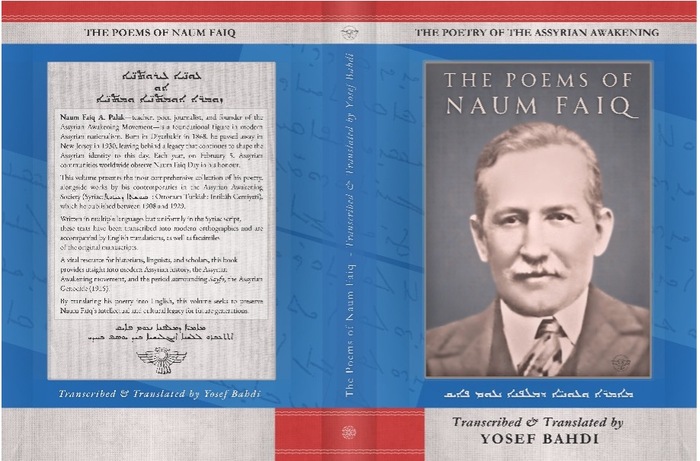
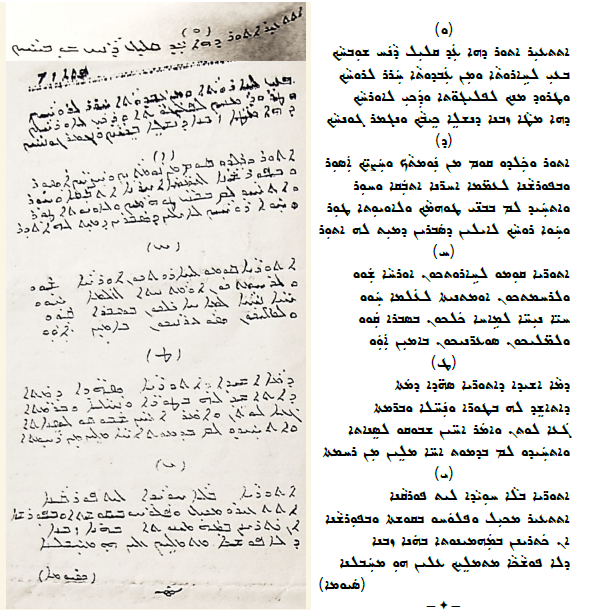
A new book under title „The Poetry of The Assyrian Awakening: THE POEMS OF NAUM FAIQ“ appeared recently by the publishing house Lulu.com. The book is edited by Yosef Bahdi, who transcribed and translated all poems into English originally written and/or published by Naum Faiq. At first glance two reasons make this book particularly unique: First, and as Prof. Shabo Talay notes in the foreword to the book, this is the first time that Faiq’s multilingual collection of poems and songs has been compiled into a single volume. A second aspect is that the translation of the poetry into English has made the collection accessible to a wider readership, as until now, and regardless of physical accessibility1, a knowledge of classical Syriac, Arabic, and Ottoman Turkish was required to fully understand Faiq’s texts. Bahdi succeeded in producing a precise transcription of the Garshuni texts (using Syriac alphabet) from Arabic and Ottoman Turkish, as well as – along with the original Syriac texts – their translation into English. Naum Faiq (1868–1930) is regarded as one of the most prominent pioneers of modern Assyrian national enlightenment and revival movement: Born in Diyarbekir, he received a comprehensive multilingual education and dedicated his life to teaching and the cultural renewal of his people. His multi-lingualism laid the foundation for his later dictionaries, language collections, and journalistic works. From 1910 to 1912, Faiq published the journal Kawkab Madinho (Eastern Star). He was a key figure in the Awakening Movement (Intihab Society – Knushto d-Ciruṯo), which he co-founded in Diyarbakır in 1908 and which grew to fifteen branches in Upper Mesopotamia by 1914. In the United States, the first branch of the Intibah Society was established in 1909 by his friend Gabriel (Jabbur) Boyajy, who also launched the magazine of the same name that same year. Following increasing persecution in the Ottoman Empire, Faiq felt compelled to emigrate to the United States in 1912, where he continued his journalistic work and became a defining voice of the diaspora through newspapers such as Bethnahrin (Mesopotamia) and Huyodo (Union). His writings emphasized education, linguistic unity, and interdenominational solidarity among the Assyrians. Until his death in 1930, Naum Faiq remained a moral and intellectual leader whose work is still regarded today as the cornerstone of the Assyrian unity movement. He is considered one of the first to have promoted a non-denominational Assyrian identity – transcending ecclesiastical divisions among the members of the Syriac-speaking Churches (Jacobite Orthodox, Chaldean Catholic, Nestorian). His writings called for education, unity, cultural renewal, and political awareness. His legacy is honored in Assyrian communities worldwide, including through annual commemorations on February 5. The collection of poems published by Bahdi is accompanied by a carefully crafted scholarly apparatus that gently introduces readers to the life, work, and historical context of Naum Faiq. Following the foreword and an introduction by the author, which outline the thematic framework, there are sections on methodology and challenges that explain the editorial approach. Bahdi aimed for a careful, primarily literal translation in order to preserve Faiq’s original meaning, word choice, and style as accurately as possible. Considering that the translation of poetry is generally challenging, the problem in this case was compounded by the different languages and their historical and cultural contexts. According to Bahdi, the transcription of handwritten Garshuni texts into Latin/standard script was in some cases more difficult than the actual translation. Bahdi considered it particularly important to devote detailed attention to the terminology used to refer to the Assyrian people in English, which sheds light on the linguistic and political context of the edition. An additional historical focus is the highlighting of the Assyrian Genocide (Sayfo 1915) in Naum Faiq’s poetry; even though he had lived in the United States since 1912, he wrote and published several poems — which Bahdi points to — in which Faiq described the atrocities committed against his people and appealed for help for his people back home. This context is supplemented by a description of the source material, including a systematic list of all published poems. This volume offers the most comprehensive English translation to date of Naum Faiq’s poetic works and includes all surviving poems, hymns, and patriotic songs that he published between 1909 and 1929, both in his two poetry collections from 1913 and 1917, and in the numerous newspapers he founded or edited. In addition to Faiq’s own texts, the edition also includes poems by his patriotic comrades in the revival movement, which originally appeared in his publications as well. A total of 130 poems have been compiled and translated in this volume, 86 of them by Faiq himself and 44 by other authors. The broad collection and the range of topics addressed make it clear how closely Faiq’s poetic work was linked to his journalistic endeavors and his commitment to the cultural and national renewal of the Assyrian people. An afterword and a bibliography conclude the volume, rounding out the edition editorially and providing further guidance. Concluding remarks According to Prof. Talay, by providing the transcription and translation of all Faiq’s poems along with their facsimiles, Yosef Bahdi accomplished “a pioneering achievement that makes the original texts accessible for research and study.” There is not much to add to this assessment. To conclude this brief review, it seems appropriate to share a poem from the collection as an example, to illustrate how Faiq used poetry as a means of collective encouragement. My choice is the second part of a poem titled “The Assyro-Chaldean Delegation,” which Faiq dedicated to the delegations sent from the United States to lobby for the Assyrian question at the Paris Peace Conference. The poem (pp. 273), consisting of 10 stanzas, appeared in Faiq’s Bethnahrin magazine in April 1919. According to Faiq, the delegates’ mission was “to address the various injustices inflicted upon our Assyrians, who are oppressed by the Turkish barbarians, and to protect our people from future attacks by other nations.” The first five stanzas (1-5) in form of a patriotic hymn, praise the Assyrian delegates at the Paris Peace Conference; in a solemn tone, Faiq elevates the delegates to bearers of national hopes and divine providence, linking their political mission to a moral calling. The second part (stanzas 6-10, see below) of the poem unfolds as a powerful wake-up call to the Assyrian people, combining political passion with moral exhortation. In forceful imperatives, Faiq calls for unity, self-liberation, and national awakening. Particularly striking is the linking of historical suffering – the blood of the martyrs – with a vision of a shared future that seems possible only through solidarity. Thus, the poem exemplifies Faiq’s poetic program, which inextricably links national identity, moral renewal, and political vigilance. The poem serves as an example of how Naum Faiq uses poetry as a means of collective encouragement – not so much as an expression of personal emotion, but rather as a rhetorical tool to strengthen a traumatized people in search of international recognition and self-determination.
Part 2 of the Poem 106, pp. 273 – facsimile and transcription English Translation: (6) Awake, Assur, for your glory will soon dawn! (7) Assur-Chaldo, rise from your slumber and prepare yourself, (8) O Assyrians, arise and pave the way to freedom! (9) The blood of Assyrian martyrs, spilled for the nation, (10) O Assyrians, without unity, there is no salvation — 1. It was only with the establishment of the Modern Assyrian Research Archive (MARA) in 2008, which managed locating, collecting, and digitizing early periodicals like Kawkab Madenho, Bethnahrin and Hujodo, that the full scope of Naum Faiq‘s literary output finally came to light. |